
Describe the property
Send the location, symptoms, equipment and access details. State whether the work is a repair, replacement or planned project.
When planning a water heater replacement in Ilderton, compare the household’s hot-water demand with the well’s recovery rate, if the property uses a private well. Tank storage, incoming water conditions and available space can all affect equipment selection.
Get A Free QuoteCompare tank and tankless options against household demand, well recovery where applicable, available space and the service access needed for maintenance.
View scopeClarify whether the affected line is a fixture branch, building drain or septic connection. Repeat blockages may warrant camera inspection to assess the pipe condition.
View scopeReview visible galvanized or poly-B piping, fixture connections and access routes. A manifold PEX layout can provide separate fixture lines for individual isolation.
View scopePlan toilets, faucets, utility sinks and outbuilding connections around existing rough-ins, water test results where relevant, and any exposure to freezing.
View scopeUse observations about pump cycling, visible moisture and affected areas to discuss pressure isolation, acoustic listening, thermal imaging or buried-line tracing.
View scopeCompare basin and pump capacity, backup options and discharge routing. The pit dimensions, power setup and outlet location help define the proposed system.
View scopeUse current well test results to compare softening, iron treatment, filtration or UV options, including treatment order and equipment maintenance.
View scopeIf an Ilderton property uses a private well, choose treatment equipment from current water test results rather than from a general product list. Tests can help distinguish hardness from iron, sulphur-related concerns or a need for disinfection, and each may call for a different treatment sequence. Ask which results support each proposed device, how equipment capacity is matched to household use and what maintenance is expected. A recent laboratory report and notes about staining, scale or odour help define the options without assuming those conditions are present.
Compare tank and tankless options against household demand, well recovery where applicable, available space and the service access needed for maintenance. Clarify whether the affected line is a fixture branch, building drain or septic connection. Repeat blockages may warrant camera inspection to assess the pipe condition. Review visible galvanized or poly-B piping, fixture connections and access routes. A manifold PEX layout can provide separate fixture lines for individual isolation.
Plan toilets, faucets, utility sinks and outbuilding connections around existing rough-ins, water test results where relevant, and any exposure to freezing. Use observations about pump cycling, visible moisture and affected areas to discuss pressure isolation, acoustic listening, thermal imaging or buried-line tracing.
Compare basin and pump capacity, backup options and discharge routing. The pit dimensions, power setup and outlet location help define the proposed system. Use current well test results to compare softening, iron treatment, filtration or UV options, including treatment order and equipment maintenance.
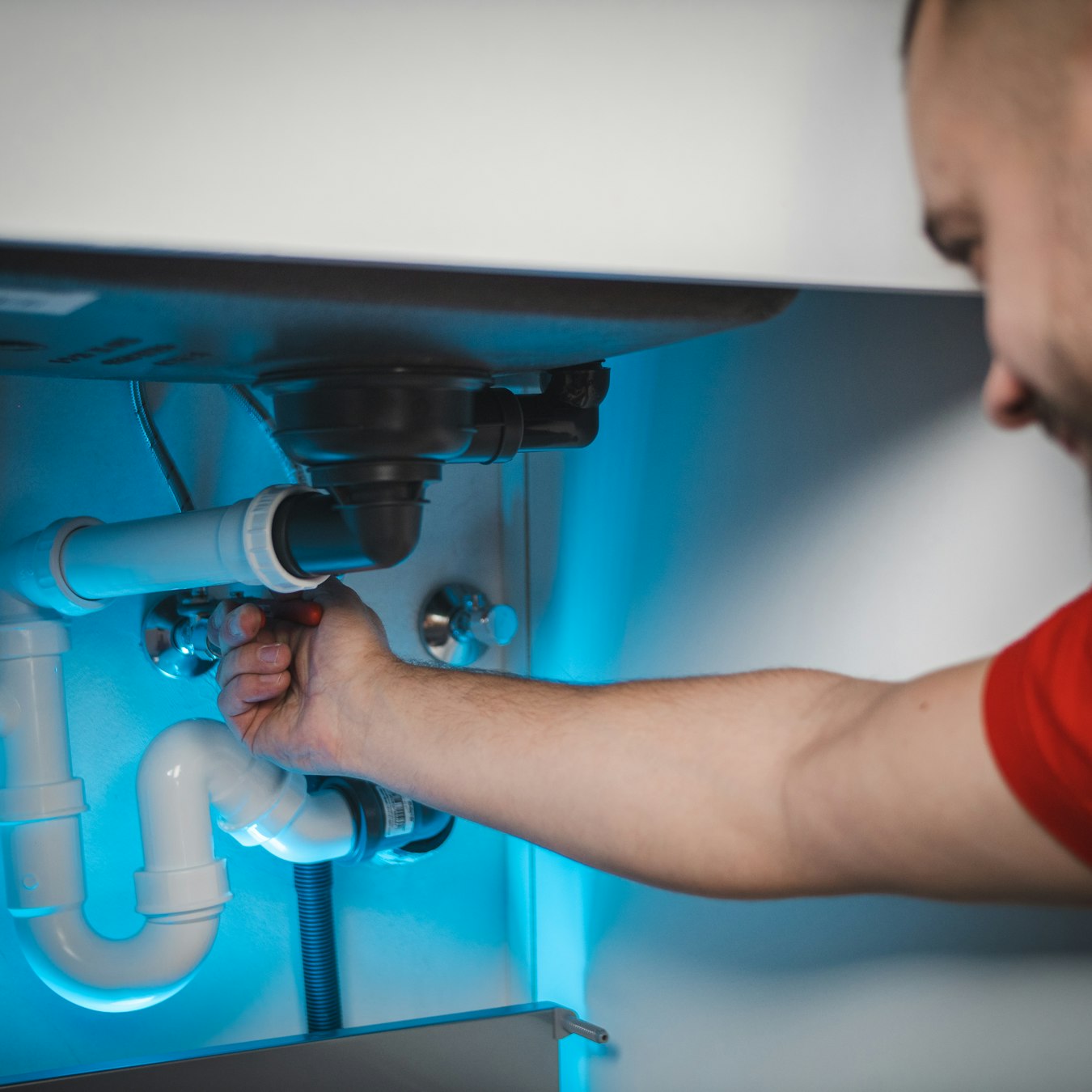
A slow drain in an Ilderton property can involve a fixture branch, a building drain or, where present, a line running to a septic system. Describe which fixtures are affected, when the trouble began and whether previous clearing provided lasting relief. If the same line has blocked repeatedly, ask whether camera inspection could help distinguish settled tile, roots or a damaged section from a simple buildup. That evidence changes the proposed cleaning method and helps define whether further repair is worth considering.
Explore this serviceSend the location, symptoms, equipment and access details. State whether the work is a repair, replacement or planned project.
The request is reviewed so the responding provider can clarify the work, property access and service coverage.
Agree the provider identity, qualifications, written scope, pricing and visit window directly. Sending a form does not confirm an appointment.
If the property uses a private well, ask how its recovery rate was considered alongside household demand. A larger storage tank may help manage periods of limited recovery, while tankless equipment has different flow and supply requirements. Sharing the well’s observed performance and household usage helps explain the sizing recommendation and avoid choosing equipment based on household size alone. Before requesting a replacement, photograph the existing heater, its connections, venting and surrounding space. Note any active leak and whether the unit serves other equipment. These details help clarify whether the work is a straightforward equipment change or requires changes to access, piping or venting. Confirm the proposed scope and timing directly with the service provider rather than assuming availability.
Compare tank and tankless options against household demand, well recovery where applicable, available space and the service access needed for maintenance. Clarify whether the affected line is a fixture branch, building drain or septic connection. Repeat blockages may warrant camera inspection to assess the pipe condition. Review visible galvanized or poly-B piping, fixture connections and access routes. A manifold PEX layout can provide separate fixture lines for individual isolation. Plan toilets, faucets, utility sinks and outbuilding connections around existing rough-ins, water test results where relevant, and any exposure to freezing.
The listed service area includes Komoka, Denfield, Arva, Granton. Include your postal code and access details in the form so the responding provider can confirm travel and scheduling for your property.
Use the form to describe the property, the symptoms and the work requested. For Komoka, Denfield, Arva, Granton, include your postal code so local coverage can be checked.